
After many years of incessant talk about SEO, you might think that the factors that go into ranking in search results are pretty well known and transparent. The truth is… we don’t know them all yet, as Google has never published a complete list of all the elements that influence page rankings. On the other hand, although more than 200 factors are included in the equation, 12 of them are really important and you have to take them into account to keep your website on top!
In the following we look at the following factors:
- Securitatea site-ului,
- Indexing capacity,
- Adaptability,
- Page load speed,
- User involvement,
- High quality content,
- Keywords,
- Optimised content,
- Structured data,
- Consistent business listings,
- External links,
- Domain age.
Website security
If you’ve read the article about Google’s new algorithm, then surely you know how important user experience is. Website security is closely linked to this, as pages that are not protected by HTTPS encryption can put the user in various unpleasant situations. In short, search engines want to highlight pages that deal with this aspect. How do you know if your website is secure? It’s simple, take a look at the URL! If it starts with HTTP, not HTTPS, then secure encryption is missing. To include it in your pages, you will need to purchase an SSL certificate.

Indexing capacity
In everyday life, to find a location you will need some information. Without details such as street, number or town, you won’t be able to locate it. Google works on the same principle. To index the billions of web pages, it will need a few pieces of identifying information. And who’s in charge of finding this data? Crawlers, or little virtual spiders, that go looking for the target. The process of gathering data is called indexing, and without it, web pages would not be found. When crawlers “read” pages, they scan for content and any useful details that might indicate the specifics of your page. However, your help is needed to be identified and indexed as quickly as possible. For a start, include a sitemap on your website. To check the status of the indexing process, go to Google Search Console, under ,,Coverage”.
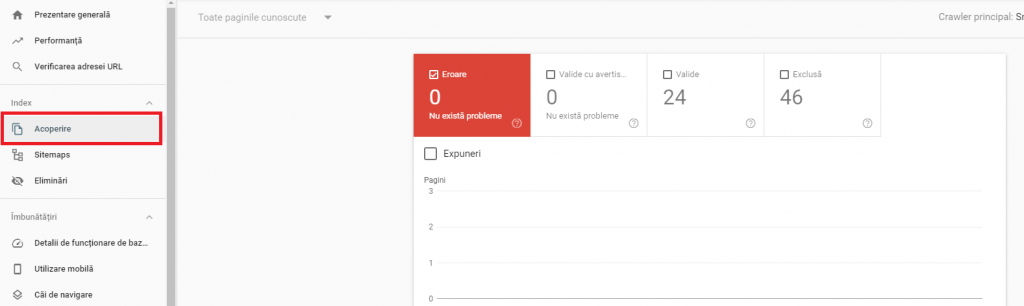
Another thing you can do is to use the ,,robots.txt” file correctly. With it, you tell the search engines which pages you want to be indexed and which pages will be ignored.
Adaptability
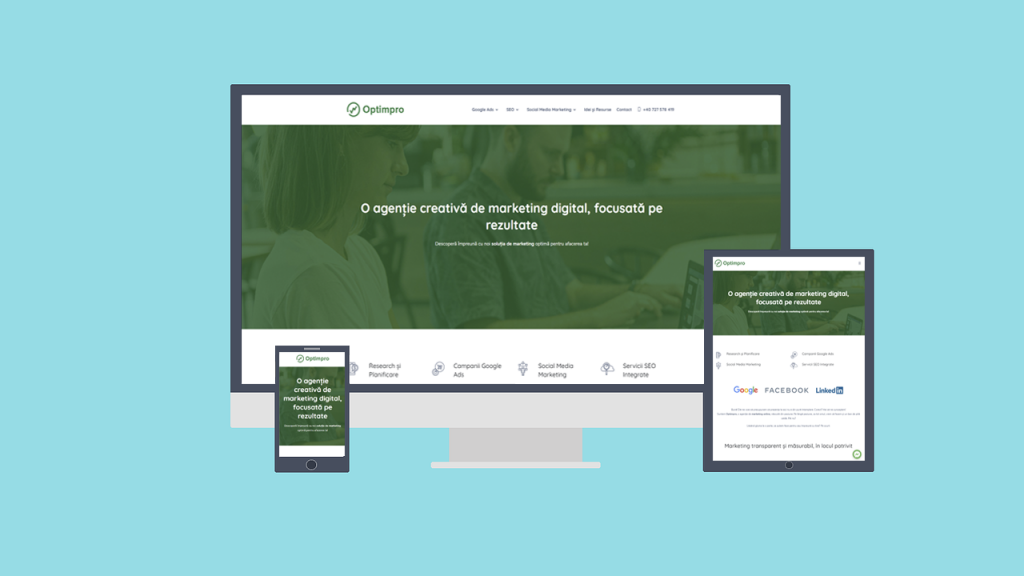
How mobile-friendly is your website? Is the chosen theme adaptable even on small screens, and will users be able to have a good experience? If so, congratulations, your website is adaptable. This functionality allows pages to adjust their content according to the devices they are accessed from. However, sometimes you may live under the impression that your website meets these requirements, but the truth is that it partially does, so some sections remain unadaptable. To find out if all pages are optimised, use the free online tool ,,Mobile Friendly Test”. After using it, you will receive a report with all the adaptability issues on your website.
Loading speed
And you get frustrated by slow loading pages, don’t you? Surely you’re not a special case, as a good number of people react the same way you do. And after all, why wouldn’t they, we live in a decade of speed! Google certainly knows this too, putting the speed at which web pages load at the top of the list. To know for sure if your website speed is within normal parameters, use the free online tool ,,Page Speed Insight”. If your website is slow, consider the following tips: website caching, compressing files, reducing redirects and optimising media files.

User interaction
According to the latest announcements, this factor will become more than essential when it comes to the browsing experience. But how can you judge the level of interactivity? Google does this through the RankBrain tool, which targets the following criteria: click-through rate (percentage of users who click on the link displayed in search engines), time spent on the website and bounce rate.
To boost interactivity, consider the following tips:
- Provides users with useful content arranged in a visually pleasing way.
- Use qualitative images.
- It uses a simple page structure so users always know where they are and where they can access the information they want.

Quality content
As I said above, quality content can work wonders! By consistently publishing useful and well-structured information, users will engage more, and search engines will certainly take notice. What’s more, well-crafted content will increase search visibility (and therefore traffic). So don’t forget this aspect of your marketing strategy.

Keywords
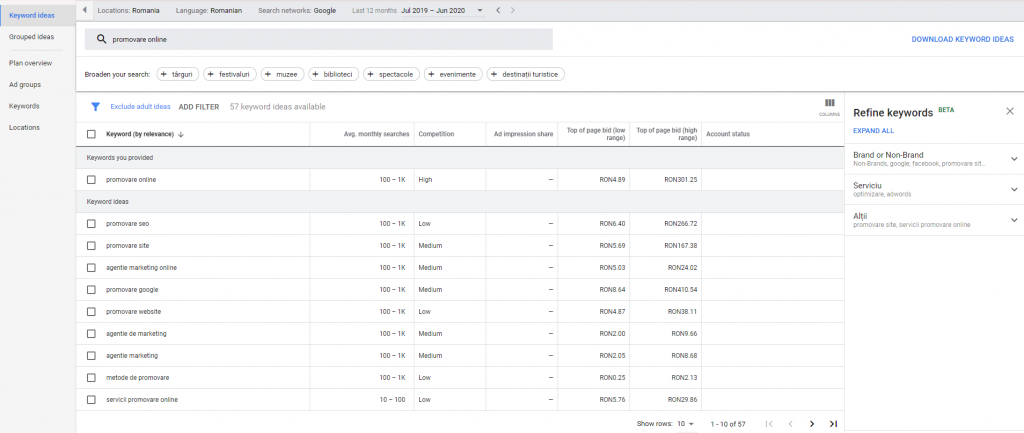
When writing content, don’t forget the right keywords for your business! Research terms that can bring more traffic to your website, study the ways people search for information on a topic, look for alternatives! To stay on top, include long tail words in your content. Why? Because the number of voice searches is constantly increasing. In everyday speech, we don’t address each other with short words, but with phrases. But this is not a general rule! You’ll only know if this advice is right for your field once you’ve done a little research to understand search intent. To analyse your keywords in detail, we recommend using the free online tool ,,Keyword Planner”.
Optimized content
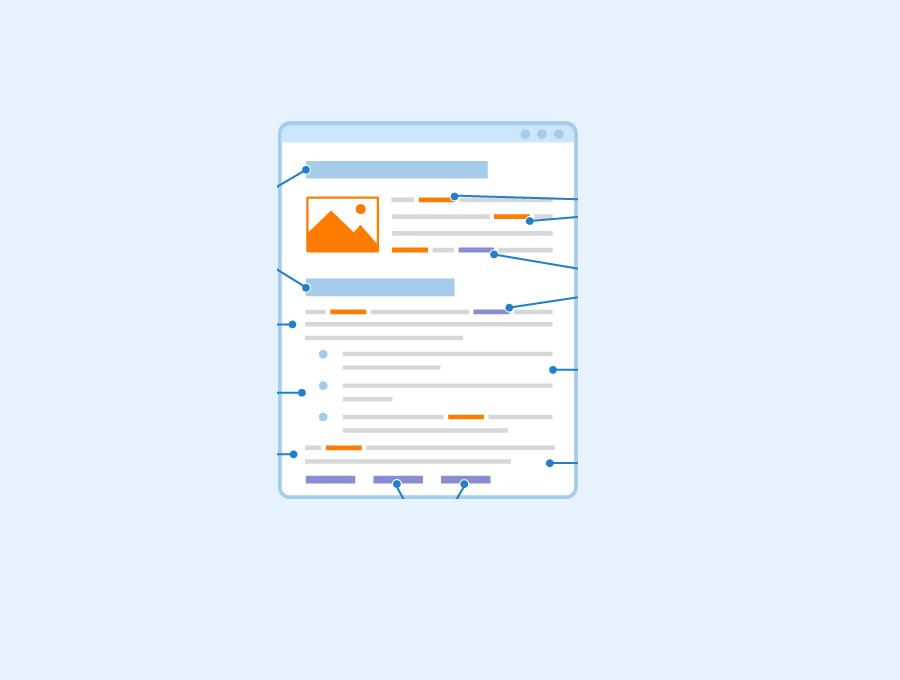
Content optimization is the ideal way to give your pages a boost. When you optimise your content, you’ll give the search engine a few clues about your topic and content. To do this, you’ll focus on certain search terms that you want your page to rank for. For maximum performance, assign individual terms to each page.
Structured data
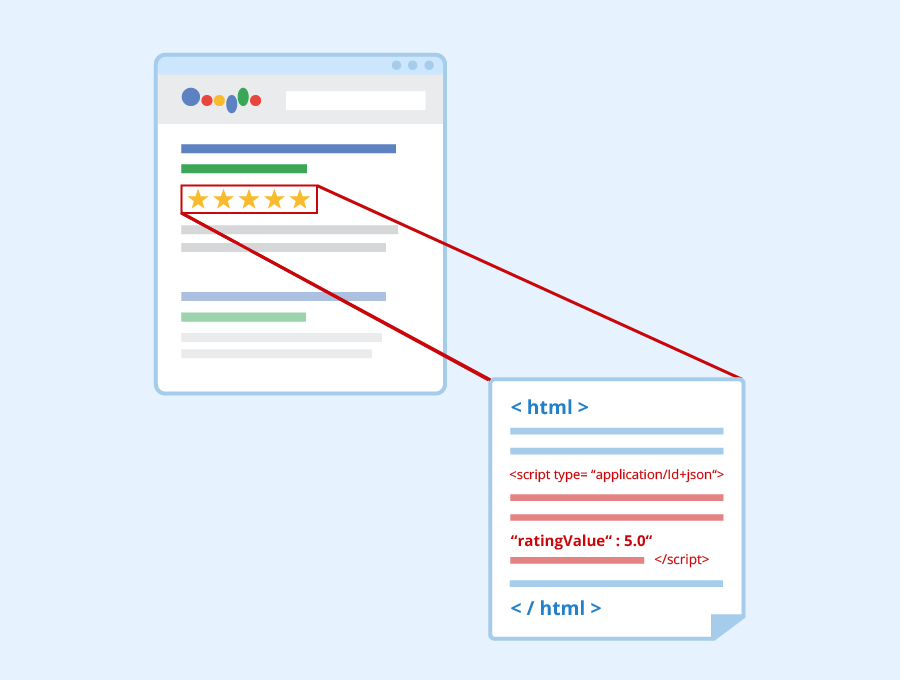
Structured data is not as complicated as it sounds! They are microdata added to the code part of pages, giving clues to search engines about how to classify and interpret content. At the same time, you can use them to create featured snippets, which will boost click-through rates.
Online business listings
In the top positions in the search results, you will most often find businesses with credibility and authority in the field. The more popular a brand is, the higher it will be listed. For this reason, business listing is an important factor that is taken into account when ranking. But for a business to be listed, it will need the following:
- Creating a Google My Business page.
- Setting up the business profile in the domain directories.
- NAP consistency (for consistency of information, it is recommended that the business name, address and phone number be presented in the same form on all web pages).
- Facebook Business Page.

External links
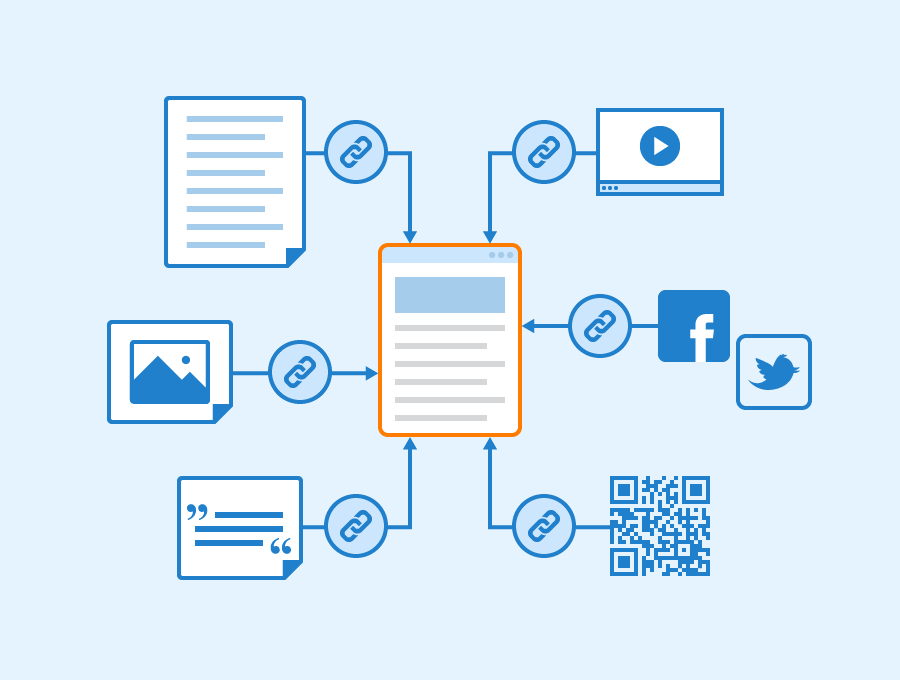
Through external links, search engines can judge the credibility and authority of a website. By analysing their quality and quantity (number of mentions of the website from external sources), crawlers will know details about the popularity and influence of the brand. According to experts, backlinks are the second most important ranking factor. So if you want your website to rank higher, make sure your marketing strategy includes qualitative backlinks.
Domain age
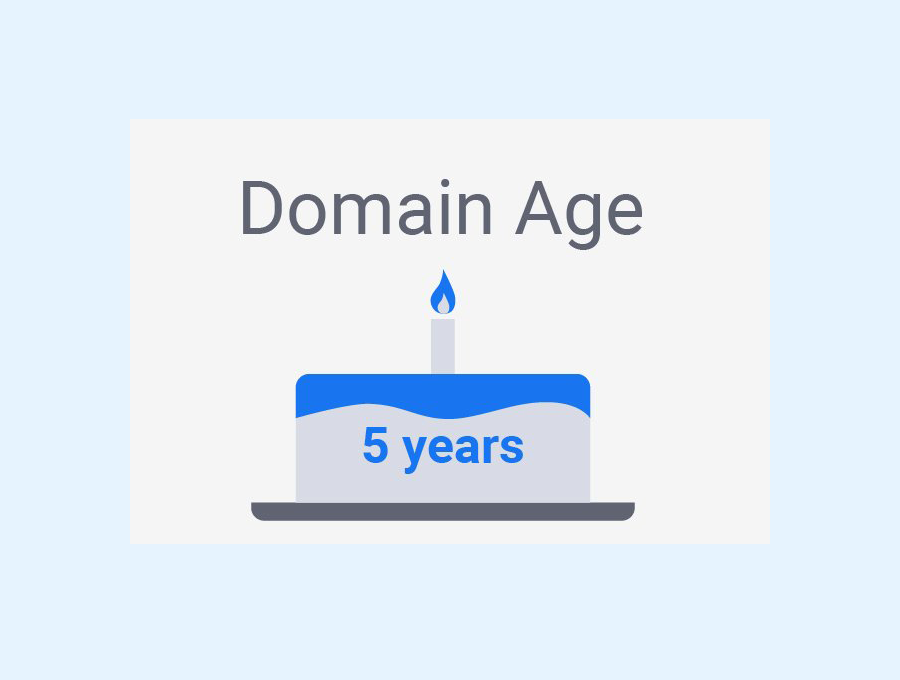
Although you can’t control this factor, it’s good to know that the age of the domain will influence the ranking. While Google has never stated that this would be a factor in indexing, many of us have noticed that older websites tend to rank higher. And it goes without saying: they have the advantage of time. Over the years, they’ve had more time to deal with website authority and credibility. So don’t expect to appear in the charts if your website was created a few months ago. Most things don’t happen overnight (except winning the lottery, but… chances are slim, so we’re keeping our fingers crossed).
Final thoughts
Is your website optimised for the above factors? Not yet, no problem, knowledge is power, so you can act early! For more information on each factor and how search engines work, take a look at this guide. If you need more information, have questions or need SEO services, don’t hesitate to contact us! Good luck optimizing!