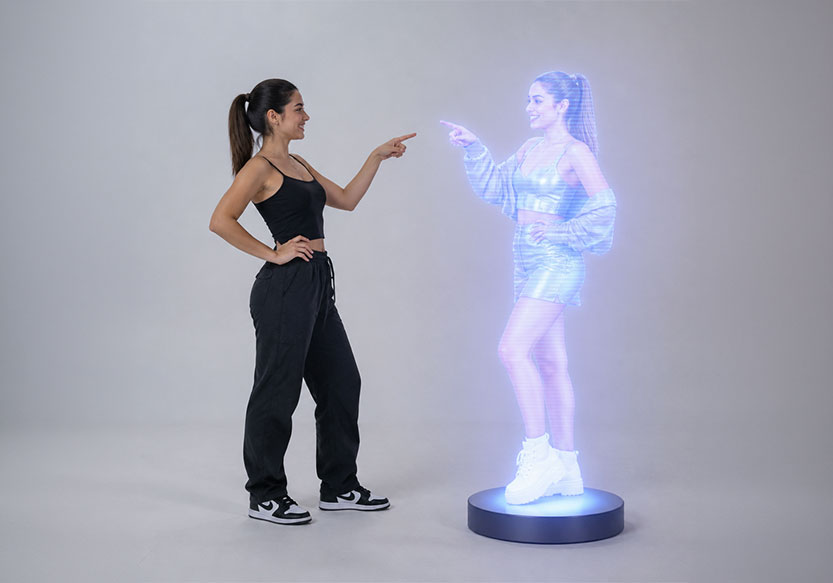
In 2026, there are influencers who never sleep, never eat, never miss a deadline, never get caught up in scandals, and never ask for a bigger budget.
And yet, they have hundreds of thousands of followers.
Some people are even convinced they’re real.
Sounds absurd? Not really.
Brands are already investing in influencers created entirely by artificial intelligence. They have flawless looks, carefully crafted backstories, and perfectly curated social feeds. They don’t have bad days, they don’t post anything questionable after a night out, and they never go off-brand.
In many ways, they seem like the perfect influencers.
Or at least that’s the illusion.
What was once a technological novelty has quickly become a legitimate marketing tool. Over the last few years, virtual influencers have appeared in campaigns for major brands, signed partnership deals, and built highly engaged communities. As a result, more marketers are beginning to ask a question that would have sounded ridiculous just a few years ago:
If an AI influencer can do almost everything a human influencer can do, do we still need human influencers at all?
When an Influencer Doesn’t Exist—But Has Millions of Followers
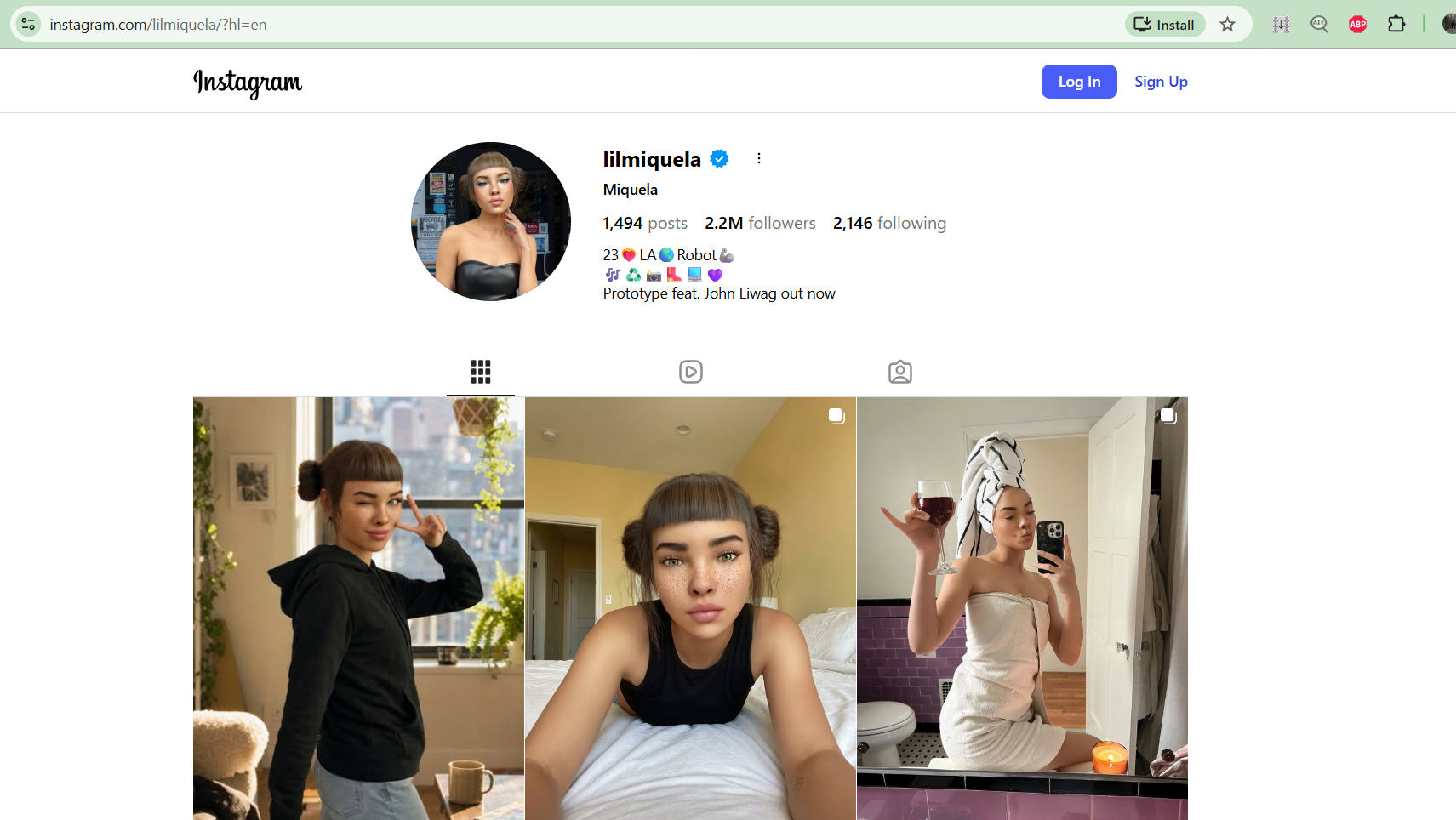
One of the most famous examples is Lil Miquela, a virtual influencer who helped bring AI-generated personalities into the mainstream. Despite being entirely fictional, she has collaborated with global fashion and lifestyle brands while building a loyal audience that interacts with her just as they would with any human creator.
And she’s far from the only one.
Over the past few years, dozens of virtual influencers have emerged across different industries and platforms. At the same time, AI-generated content has become so realistic that it’s often difficult to tell whether the person you’re looking at in an ad or social media post is real or not.
For consumers, the line between human and artificial is becoming increasingly blurred.
For brands, however, the opportunity is obvious.
The Problem With Human Influencers
Let’s be honest: human influencers bring tremendous value, but they also come with challenges.
For brands, influencer partnerships often involve constant negotiation, creative differences, and reputational risks. A creator may suddenly raise their rates, express opinions that conflict with a brand’s values, or become involved in controversy that negatively impacts the companies they work with.
On top of that, audience attention is notoriously unpredictable. An influencer who dominates social media today may struggle to stay relevant a year from now.
From a purely business perspective, people are difficult to manage.
AI promises to solve exactly that problem.
A virtual influencer does only what it’s designed to do. It doesn’t change direction unexpectedly, it doesn’t have personal issues, and it doesn’t wake up one day wanting to reinvent its entire brand. For companies seeking consistency and control, that’s an incredibly attractive proposition.
But There’s One Question That Changes Everything
If you found out that an influencer you’ve been following for six months wasn’t real, would you still trust them?
Most people instinctively answer “no.”
But the reality is more complicated.
Humans have formed emotional connections with fictional characters for decades. We become invested in characters from movies, TV shows, books, and video games. We follow their stories, identify with them, and sometimes care about them more than we do real people.
In that sense, AI influencers aren’t introducing an entirely new behavior. They’re simply building on something humans have always done.
If a virtual personality makes you laugh, entertains you, inspires you, or consistently shows up in your feed, your brain doesn’t always draw a sharp line between what’s real and what’s artificial.
Can AI Sell Better Than Humans?
Sometimes, yes.
And that’s where the real debate begins.
Marketing isn’t ultimately a competition of authenticity—it’s a competition of results.
Brands measure views, engagement, leads, conversions, and revenue. If a virtual influencer consistently outperforms a human creator, the authenticity argument suddenly becomes less important in marketing meetings.
That doesn’t mean authenticity no longer matters.
It simply means that, for many businesses, performance will always have the final say.
Younger generations are already comfortable interacting with avatars, digital personalities, and AI-powered tools. For them, the idea of following a virtual influencer may not feel nearly as strange as it does to those who grew up in a fully offline world.
How Transparent Should AI Influencers Be?
As virtual influencers become more sophisticated, another important question emerges: should audiences always know when they’re interacting with an AI-generated personality?
Many industry experts believe transparency will become one of the defining issues of the next decade.
If users discover they’ve been misled into believing a virtual influencer was a real person, trust in both the influencer and the brand behind them can quickly erode. On the other hand, when brands are open about the artificial nature of these characters, audiences often seem far more willing to embrace—and even appreciate—the concept.
Just as sponsored content must be clearly disclosed, it’s possible that future regulations will require brands to identify AI-generated influencers more explicitly.
Human Influencers Aren’t Going Anywhere—But They Won’t Be Alone
The biggest mistake is to view this as a battle where one side wins and the other loses.
The future of influencer marketing is unlikely to belong exclusively to either humans or artificial intelligence. Instead, we’ll probably see a hybrid model emerge.
Brands will use AI influencers for efficiency, scalability, and greater control over content production, while human creators will continue to play a critical role in building trust, credibility, and genuine emotional connections with audiences.
In short:
- AI influencers will be valued for efficiency and control;
- Human influencers will remain essential for trust and authenticity;
- Most brands will likely use a combination of both.
A few years from now, we may not even be entirely sure where human influence ends and artificial influence begins.
So, Who Wins?
For now, nobody.
But if someone had told you 10 years ago that you’d buy products recommended by people you’ve never met, you probably would have laughed.
Today, that’s completely normal.
Ten years from now, buying products recommended by someone who doesn’t technically exist might feel just as ordinary.